Why Parents Need to Pay Attention to Their Child’s LINE Activity on iPhone 18 Pro Max? In today’s digital age, children’s lives are inseparable from smartphones and social apps. For millions of families across Asia, LINE is far more than just a messaging tool—it has become daily infrastructure. For parents, understanding what their kids do on LINE has shifted from a “nice-to-have” to a must-have.
Why? Because online risks are everywhere. According to a 2025 survey on teen social media habits, more than 60% of middle and high school students in key Asian markets use LINE as their primary messaging app. The same survey found that nearly 30% of teens had experienced misunderstandings or conflicts with friends simply because they didn’t reply to messages in time. Even more concerning, over 30% of respondents said they had witnessed or been involved in public shaming in class groups, or had private conversations leaked to wider networks. Behind these numbers lie real threats—cyberbullying, inappropriate content, and contact from strangers—any of which can invade a child’s life through a single LINE message.

Our role as parents is not to spy, but to protect. Keeping an eye on your child’s LINE interactions isn’t about invading privacy; it’s about standing guard when they’re still too young to recognise danger.
What Is LINE, and Who Uses It?
LINE was born in 2011, in the aftermath of Japan’s Great East Japan Earthquake, as a temporary communication solution. Today, it has grown into Asia’s most influential social and lifestyle platform.
As of early 2026, LINE has over 500 million registered users worldwide, with about 194 million monthly active users. Its core markets are Japan, Thailand, and Taiwan:
- Japan: Over 95 million monthly active users, with a market penetration of 75%.
- Thailand: 51 million monthly active users, penetration at 75%.
- Taiwan: 21 million users, representing 90% of the population aged 15–65.
In Taiwan, LINE penetration among the 15-to-65 age group is 93%. Users open the app an average of 14 times a day, and nearly half of heavy users launch it 22 times daily. In short, LINE is the “digital living room” for most Asian families—where kids chat, share, and socialise—while parents often have no idea what happens inside.
Three Leading LINE Monitoring Apps Compared
When it comes to choosing a reliable LINE monitoring app for iPhone 18 Pro Max, three names consistently rise to the top: Eyezy, Parentaler, and mSpy. Each offers powerful features, but they differ significantly in approach, reliability, and overall value. Let’s break down what each one brings to the table.
Eyezy: The Stealth-Focused Alternative
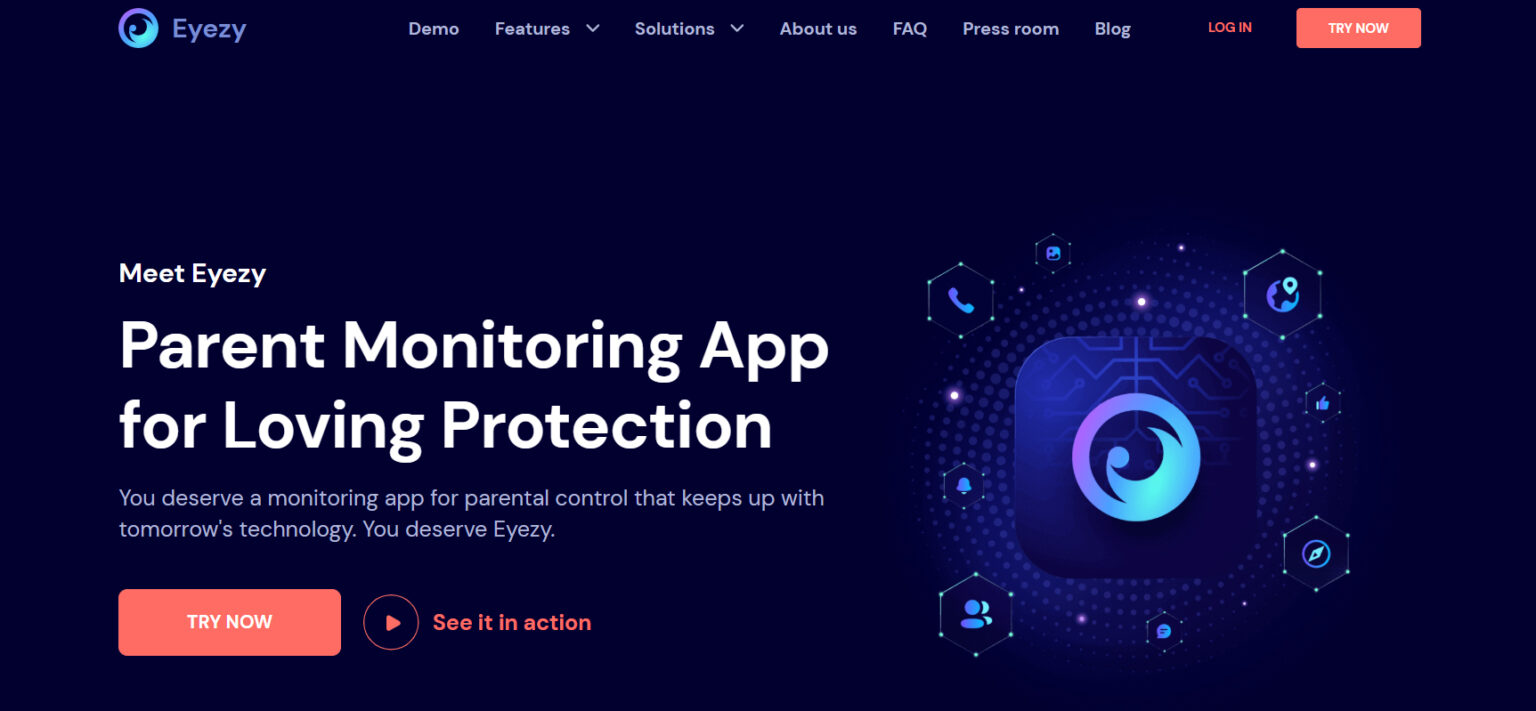
Eyezy positions itself as a powerful, invisible monitoring solution with a strong emphasis on stealth.
Key Features:
- LINE Message Monitoring – Eyezy can track LINE chats, multimedia files, and even deleted messages. It’s one of the few apps that claims to recover erased content.
- Keylogger and Social Media Access – Like mSpy, Eyezy includes a keylogger and monitors major social platforms including LINE, WhatsApp, Instagram, Snapchat, and Telegram.
- Location Tracking and Geofencing – Real-time GPS location tracking with geofencing alerts when your child enters or leaves designated areas.
- App Blocker and Web Filtering – You can block specific apps and inappropriate websites with a single click.
- Invisible Mode – Eyezy’s “Invisible Shield” feature ensures the app remains hidden in system files, not visible in the app drawer.
The Catch: Eyezy has received mixed reviews. Some users report that it drains battery faster than competitors. There are also concerns about its reliability—some users have experienced lag in data sync (15-30 minutes compared to mSpy’s 5-10 minutes). More critically, some parents have noted that tech-savvy teens can easily spot and bypass Eyezy, especially on newer Android versions where they can disable “suspicious” apps through developer options.
Pricing: Eyezy’s monthly plans range from about $7.99 (Core) to $38.39 (Extreme).
Parentaler: The Balanced Choice for Modern Parents
Parentaler is a professional parental control and monitoring solution that goes far beyond “seeing who your child is chatting with.” It is designed with transparency and reliability in mind—not as stealthy spyware, but as a genuine guardianship tool.
Key Features:
- Real-Time Chat and Call Tracking – As an excellent real-time chat tracker, Parentaler lets parents see LINE messages, call logs, and contact details in real time. All information is securely displayed on your personal dashboard.
- Precise Location Tracking and Geofencing – Parentaler provides accurate real-time tracking, allowing you to set safe zones and danger zones. You’ll receive instant alerts when your child enters or leaves these areas.
- Comprehensive App and Screen Management – Beyond LINE, Parentaler covers other social apps, browsing history, and screen time. You can remotely block unsuitable apps or websites and set time limits for device usage.
- Screen Recording – This is one of Parentaler’s standout features. It captures activity in “disappearing message” apps, so content that seems to vanish is actually recorded for your review.
- Fast, Stable, and Easy to Use – Many users report that Parentaler takes only minutes to set up. Its intuitive interface won’t intimidate you, unlike some overly complex monitoring software.
Why It Stands Out: Parentaler balances powerful monitoring capabilities with ethical transparency. It’s built for parents who want to protect their children without resorting to covert surveillance. According to user discussions, Parentaler is considered more reliable for actual parental control, with fewer loopholes that tech-savvy teens can exploit.
mSpy: The Industry Veteran with Deep Surveillance Power
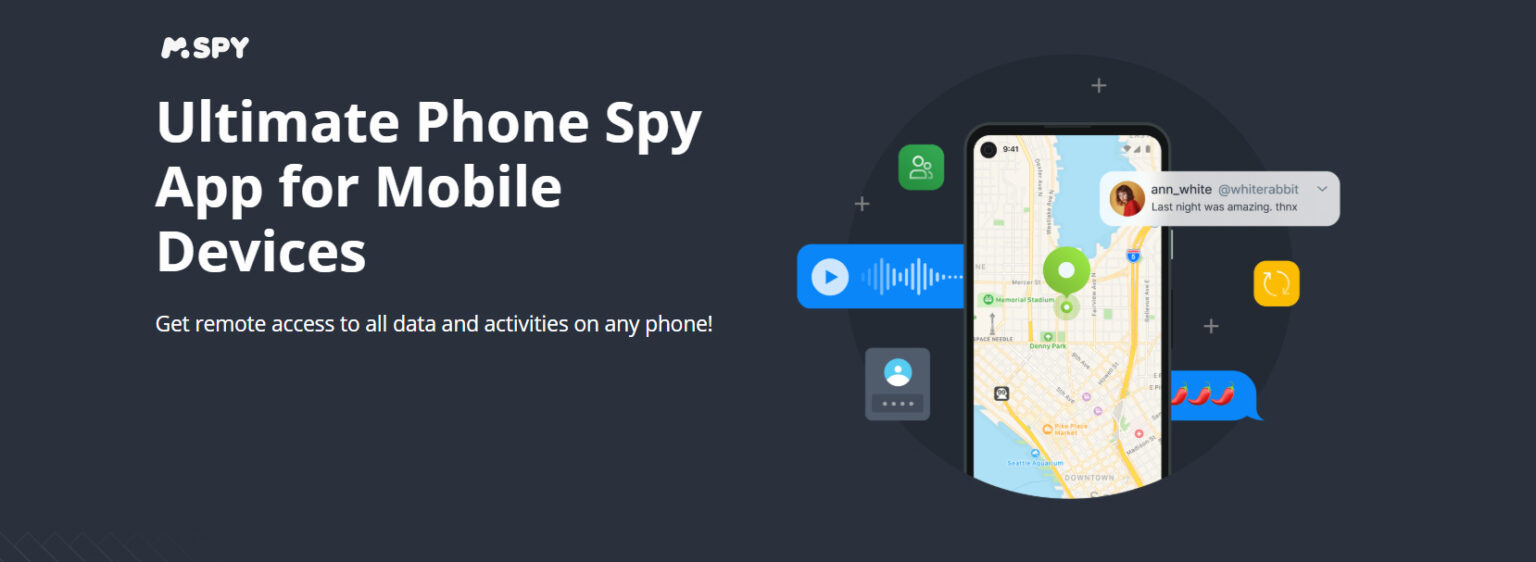
mSpy is one of the best-known names in the monitoring space. It has been around for years and offers some of the most comprehensive surveillance features available.
Key Features:
- Broad Social Media Coverage – mSpy allows you to read messages across more than a dozen platforms, including WhatsApp, Snapchat, Facebook Messenger, Instagram, and critically, LINE. You can view both sent and received LINE messages, as well as shared multimedia files.
- Call and Text Monitoring – The app logs all incoming and outgoing calls, SMS messages, and emails.
- GPS Location Tracking – mSpy offers GPS tracking with accuracy down to sub-10 meters.
- Keylogger and Screen Recording – A built-in keylogger captures every keystroke, and screen recording lets you see exactly what’s happening on the target device.
- Stealth Mode – mSpy runs without a visible app icon, using generic names like “Update Service” to avoid detection.
The Catch: To unlock mSpy’s full feature set, you need to root (Android) or jailbreak (iOS) the target device—a process that can compromise security and is challenging for non-tech-savvy users. The iOS version is also quite limited compared to its Android counterpart. Additionally, mSpy lacks essential parental control features like screen time scheduling and app usage limits.
Pricing: mSpy offers Premium, FamilyKit, and Extreme plans. Monthly pricing starts around $48.99 for the first month, with annual plans bringing the cost down to approximately $11.67 per month.
Side-by-Side Comparison: Parentaler vs. mSpy vs. Eyezy
| Feature | Parentaler | mSpy | Eyezy |
|---|---|---|---|
| LINE Monitoring | ✅ Full chat & call tracking | ✅ Full chat & multimedia | ✅ Chats, media & deleted messages |
| Stealth Mode | ✅ Transparent (ethical use) | ✅ Hidden icon | ✅ “Invisible Shield” |
| GPS Accuracy | ✅ High precision | ✅ Sub-10 meters | ✅ Good, but occasional lag |
| Screen Time Limits | ✅ Yes | ❌ Not available | ❌ Not available |
| Keylogger | ✅ Yes | ✅ Yes | ✅ Yes |
| Root/Jailbreak Required | ❌ No | ✅ Yes (for full features) | ✅ Yes (for some features) |
| Ease of Setup | ✅ Minutes, beginner-friendly | ⚠️ Moderate, physical access needed | ✅ Under 10 minutes on Android |
| Battery Drain | ✅ Minimal | ✅ Moderate | ❌ Higher than average |
| Data Sync Speed | ✅ Fast | ✅ 5-10 minutes | ⚠️ 15-30 minutes |
| Starting Price (Monthly) | ~$10.17-$4269 | ~$11.67-$48.99 | ~$7.99-$38.39 |
| Best For | Balanced, ethical parenting | Deep surveillance, extreme cases | Stealth-focused users |
Beware of “Free” LINE Monitoring Apps
When searching for a LINE tracker or a call monitoring app, many parents are tempted by the word “free.” After all, who doesn’t want to save money? But remember: if the product is free, then you are probably the product.
Three Major Risks of Free Monitoring Apps
1. Security Vulnerabilities – Free monitoring apps often lack essential encryption and protection. Studies show that many parental control apps downloaded from unofficial sources have serious privacy, permission, and even security flaws. Some free apps have been hacked, exposing sensitive user data—including children’s texts, call logs, and locations—to the public.
2. Unreliable Features – Free tools like Google Family Link might work for very young children, but tech-savvy teens can find workarounds within days. They might switch to hidden calculator apps or use browser-based versions of messaging services, easily bypassing all restrictions. A free LINE message tracker often gives you a false sense of security while leaving numerous loopholes wide open.
3. Privacy and Ethical Pitfalls – Some free monitoring apps function almost identically to stalkerware. They demand excessive permissions, hide their own presence, and can be used for unethical surveillance. You think you’re downloading a “parental control tool,” but you may actually be installing a privacy invasion hazard.
Which One Should You Choose?
The right LINE monitoring app for parents depends on your specific needs and values:
- Choose Parentaler if you want a balanced, transparent solution that combines powerful monitoring with ethical safeguards. It’s ideal for parents who want to protect their children while maintaining trust and open communication. Parentaler also offers screen time management—a feature notably absent from both mSpy and Eyezy.
- Choose mSpy if you need the most comprehensive surveillance capabilities and are comfortable with the technical requirements (rooting/jailbreaking). It’s the most reliable option for deep, long-term monitoring, though it’s worth noting that some experts consider it more appropriate for extreme cases rather than everyday parental control.
- Choose Eyezy if stealth is your top priority and you’re on a tighter budget. However, be aware of its limitations—faster battery drain, slower data sync, and the risk that tech-savvy teens may detect and bypass it.
Final Thoughts: Monitoring Is a Means, Communication Is the Goal
Technology is only a tool. Real safety comes from trust and open dialogue. Using an iOS monitoring app to monitor LINE activity on an iPhone 18 Pro Max isn’t about watching your child’s every move—it’s about having a protective pair of eyes as they explore the digital world.
Whichever iPhone 18 Pro Max monitoring app you choose—Parentaler, mSpy, or Eyezy—we strongly encourage parents to have an honest conversation with their children: why you want to monitor LINE activity on an iPhone 18 Pro Max, who this protection is for, and where the boundaries lie. When children understand that this stems from love and care, not distrust, monitoring won’t damage your parent-child relationship.
The digital world is exciting, but it’s also dangerous. As parents, we have a responsibility to hold up an umbrella for our children. Choosing a reliable real-time chat and call tracker—such as an iPhone spy app that lets you monitor LINE activity on an iPhone 18 Pro Max—is the first step toward safeguarding your child’s online life.